On this page
Launching an app without testing is like opening a restaurant without a soft launch — you're bound to discover issues when it's too late. Closed testing lets you find and fix problems before they affect your entire user base.
How closed testing works
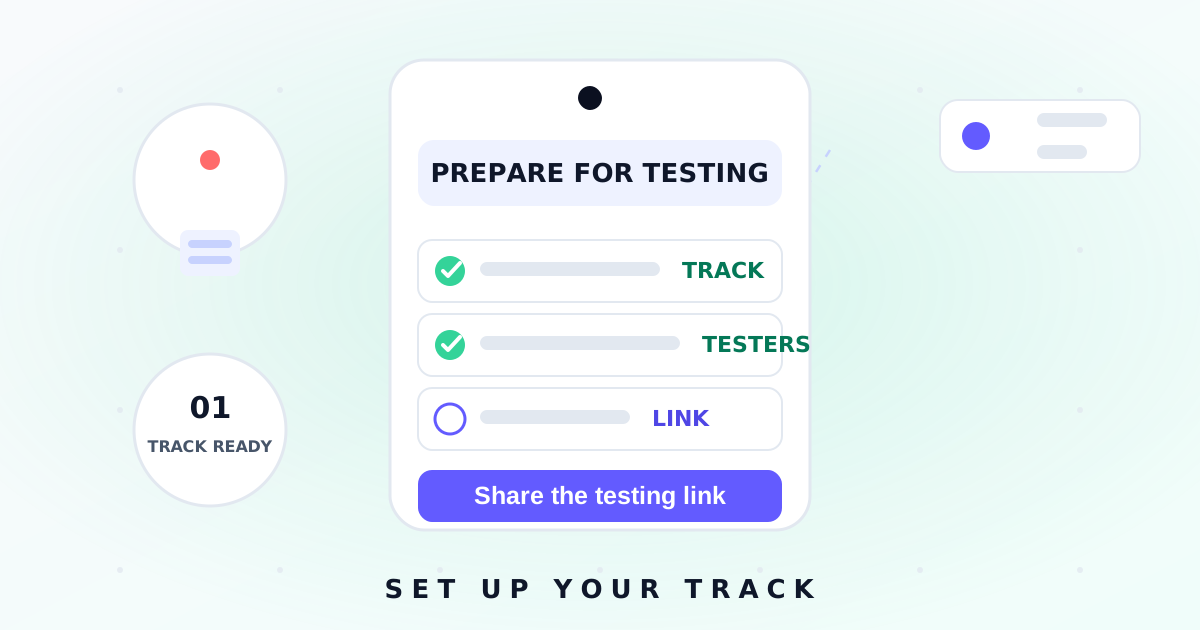
Closed testing involves giving a limited group of real users access to your app before it goes live. This controlled environment lets you gather feedback, identify bugs, and validate features without the pressure of a public launch.
Feedback that finds real problems
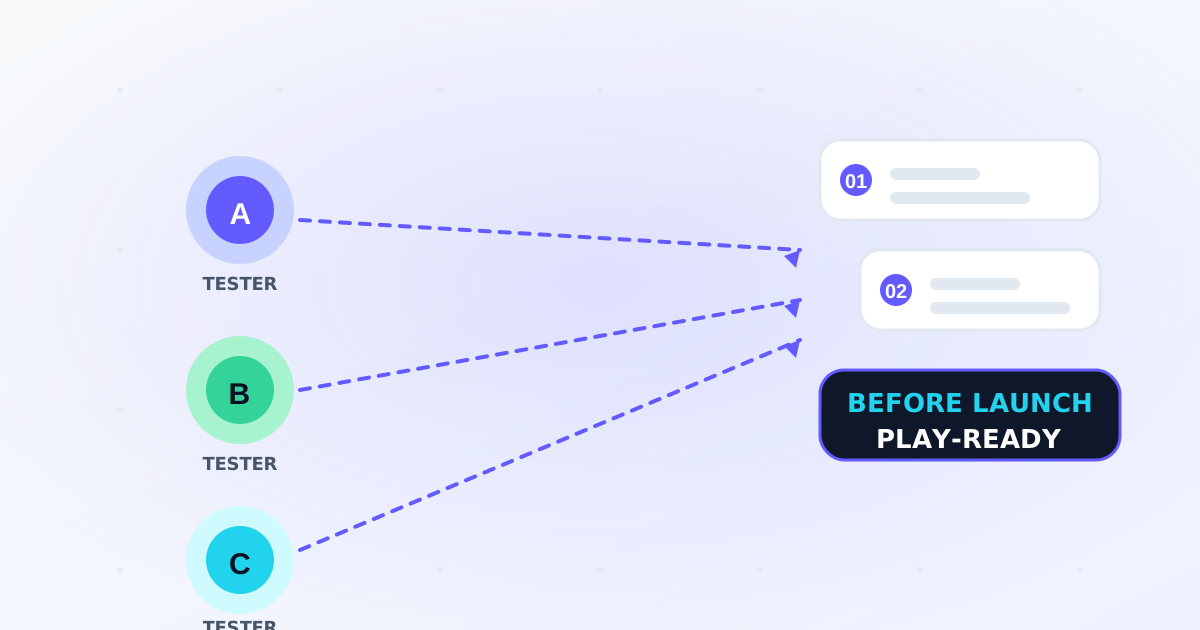
The feedback from closed testing is invaluable. Real users approach your app with fresh eyes and without the context you have as a developer. They'll find usability issues, confusing flows, and bugs you never noticed.
A requirement for production access
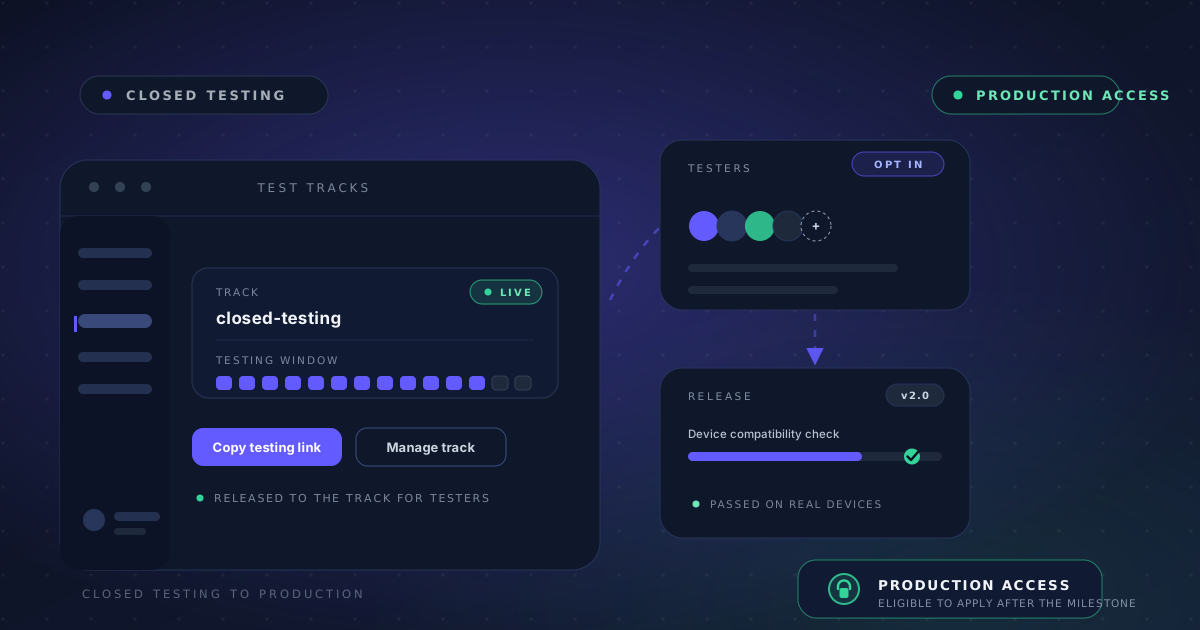
From a Google Play perspective, closed testing is also a requirement for production access: eligible new personal developer accounts need at least 12 testers continuously opted in for 14 days — a mandatory step before publishing.
Make it a habit
The key is to make closed testing a habit, not a one-time event. Regular testing cycles throughout development catch issues early when they're cheapest to fix.